Mastering Scalping: A Comprehensive Guide to Forex Scalping Trading
Forex scalping is a popular trading strategy that involves making numerous trades over short periods to capture small price movements. Traders who utilize this technique, known as scalpers, aim to profit from the tiniest fluctuations in currency pairs. Scalping requires a well-defined strategy, a high level of discipline, and an understanding of market dynamics. This article will explore the core concepts of scalp trading in Forex, providing insights into its strategies, tools, and considerations for successful implementation. If you’re interested in more resources, check out scalp trading forex Philippine Trading Platforms for trading tools and platforms.
Understanding Scalping in Forex
Scalping is characterized by the rapid execution of trades, typically holding positions for just a few seconds to a few minutes. The goal is to take advantage of price discrepancies and market inefficiencies that may occur within these short timeframes. Scalpers often trade currency pairs with high liquidity, as these pairs tend to demonstrate tighter spreads, allowing for more favorable entry and exit points.
Trading Strategies for Scalping
Successful scalping relies on a combination of technical analysis, market understanding, and a solid trading strategy. Here are some commonly used scalping strategies:
1. Momentum Trading
This strategy involves identifying strong price trends and entering trades in the direction of that trend. Traders look for confirming indicators, such as moving averages or momentum indicators, to validate their trades. Quick entry and exit are crucial in this strategy to capture small profits efficiently.
2. Range Trading
In range trading, scalpers identify key support and resistance levels within which the currency pair is trading. They buy at support levels and sell at resistance levels. The main idea is to profit from the price bouncing off these levels, maintaining a disciplined approach in managing risk.
3. Arbitrage Opportunities
Arbitrage involves exploiting price differences across different markets or instruments. Scalpers may simultaneously buy and sell a currency pair on different platforms or exchange rates to lock in profits from the discrepancies. This strategy requires quick decision-making and often relies on automated trading systems.
The Importance of Tools in Scalping
To execute successful scalping trades, traders rely on various tools and technologies. Key tools include:
1. High-Speed Internet Connection
A rapid internet connection is essential for executing trades without delays. Scalpers rely on split-second timing, and any lag in connectivity can lead to missed opportunities.
2. Trading Platforms and Software
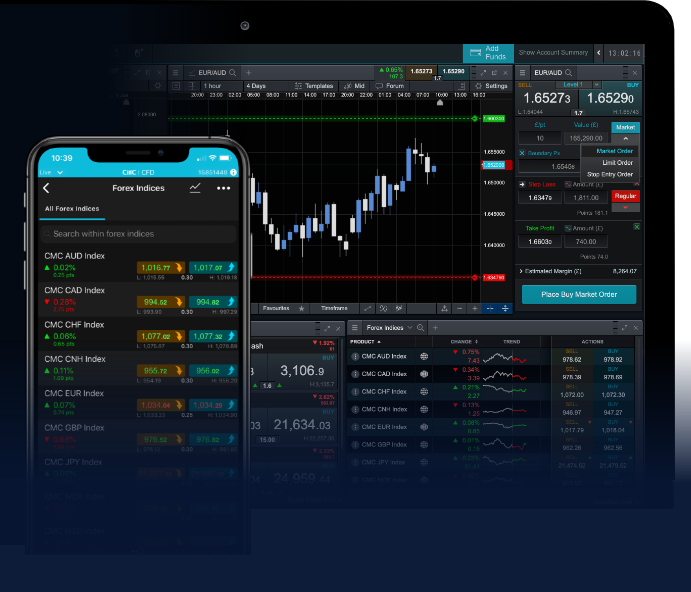
Choosing the right trading platform is crucial for scalping success. Look for platforms that offer real-time data, advanced charting tools, and fast order execution capabilities. Moreover, many scalpers prefer platforms that allow for automated trading and algorithmic strategies.
3. Technical Indicators
Scalpers use various technical indicators to inform their trading decisions. Popular indicators include Moving Averages, Bollinger Bands, and Stochastic Oscillators. These tools assist in identifying trends, potential entry and exit points, and market sentiment.
Benefits of Scalping
Scalping offers several advantages for traders looking to capitalize on short-term price movements:
1. Quick Profits
Scalpers are typically focused on achieving quick profits from their trades. This creates a dynamic trading environment that allows for rapid capital growth over time.
2. Low Risk Exposure
By holding positions for shorter durations, scalpers can minimize the exposure to market volatility and adverse price movements. This makes it easier to manage risk effectively.
3. Flexibility and Variety
Scalping allows traders to engage in multiple trades throughout the day. This variety can keep traders engaged and alert, making it an exciting approach to Forex trading.
Challenges of Scalping
Despite its advantages, scalping is not without its challenges:
1. Requires Intense Focus

Scalping can be mentally exhausting. Traders must maintain high concentration levels to respond to market changes promptly. Any distraction can lead to poor decision-making.
2. Transaction Costs
Frequent trading incurs higher transaction costs, including spreads and commissions. These costs can eat into profits, necessitating careful calculation of risk/reward ratios with every trade.
3. Emotional Discipline
Maintaining emotional control is vital in scalping. Traders can experience rapid gains and losses, which can lead to overtrading or holding onto losing positions too long. Developing a solid trading plan and adhering to it is crucial for success.
Tips for Successful Scalping
To enhance your scalping strategy, consider these practical tips:
1. Establish a Trading Plan
A well-defined trading plan helps traders stay focused and disciplined. Outline entry and exit strategies, risk management rules, and guidelines for evaluating trades.
2. Manage Your Risk
Effective risk management is vital in scalping. Use appropriate position sizes and stop-loss orders to protect your capital from significant losses.
3. Stay Informed
Keep abreast of market news and economic events that may affect currency prices. High-impact news can create volatility and present trading opportunities for scalpers.
4. Practice on Demo Accounts
Before diving into live trading, testing your strategies on demo accounts can help you understand market conditions and refine your skills without risking real money.
Conclusion
Scalping can be an exciting and potentially profitable trading strategy for Forex traders. With a disciplined approach, effective tools, and a commitment to ongoing learning, traders can navigate the complexities of scalping successfully. Remember, success in scalping requires constant practice and adaptability to changing market dynamics. As you explore this fast-paced trading style, ensure that you engage with reliable platforms and stay informed about market conditions.
